
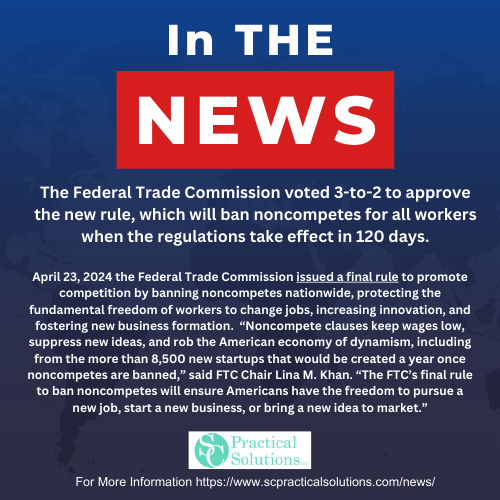
The recent decision by the Federal Trade Commission (FTC) to ban noncompete agreements across various industries, including healthcare, heralds significant implications for physicians. This article delves into how this ban might reshape the landscape for doctors:
Ban on Noncompete Agreements: The FTC has greenlit a ban on noncompete agreements, slated to take effect in four months, contingent upon any legal hurdles. These agreements traditionally curtail employees from transitioning to rival positions within the same industry, within specific geographical confines, or over a designated timeframe.
Impact on Physicians: A substantial portion of physicians (37% to 45% in the U.S.) currently labor under noncompete clauses stand to benefit. The ban empowers them to shift jobs and join rival companies without being tethered by such constraints. Forecasts suggest an array of positive outcomes, including a surge in patents, new startups, pay raises, and potential healthcare cost reductions.
Coverage and Exceptions: The ban primarily targets for-profit entities, as the FTC’s jurisdiction over nonprofit organizations is limited. However, nonprofit hospital physicians and nurses might fall outside this ban’s purview unless their operations exhibit profit-driven characteristics. Ambiguity shrouds the exemption criteria, particularly regarding nonprofit hospitals or health systems.
Divided Opinions: While the American Medical Association (AMA) endorsed the ban on many physician noncompete provisions, dissenting voices within the healthcare sector underscore the importance of fair competition and patient access. Opinions remain polarized, with some advocating for enhanced physician mobility and others advocating for competitive equilibrium.
In summary, the FTC’s prohibition of noncompete agreements seeks to foster competition, spur innovation, and augment worker mobility, potentially yielding dividends for physicians and patients alike. However, the actual ramifications hinge on legal challenges and organizations’ adaptability to the new regulatory framework.
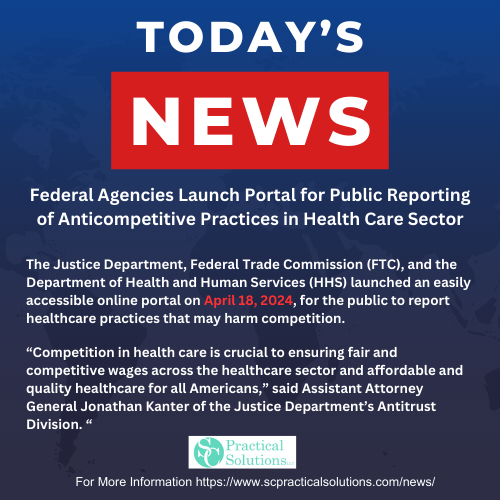
The Federal Trade Commission (FTC), the Department of Justice (DOJ), and the Department of Health and Human Services (HHS) have teamed up to launch HealthyCompetition.gov, a user-friendly online platform designed to facilitate reporting of potentially unfair and anticompetitive practices within the healthcare sector.
This collaborative initiative promotes economic opportunity, fairness, and competitive healthcare markets. By reporting potential violations, individuals play a crucial role in ensuring quality choices and lower costs for healthcare coverage in the United States.
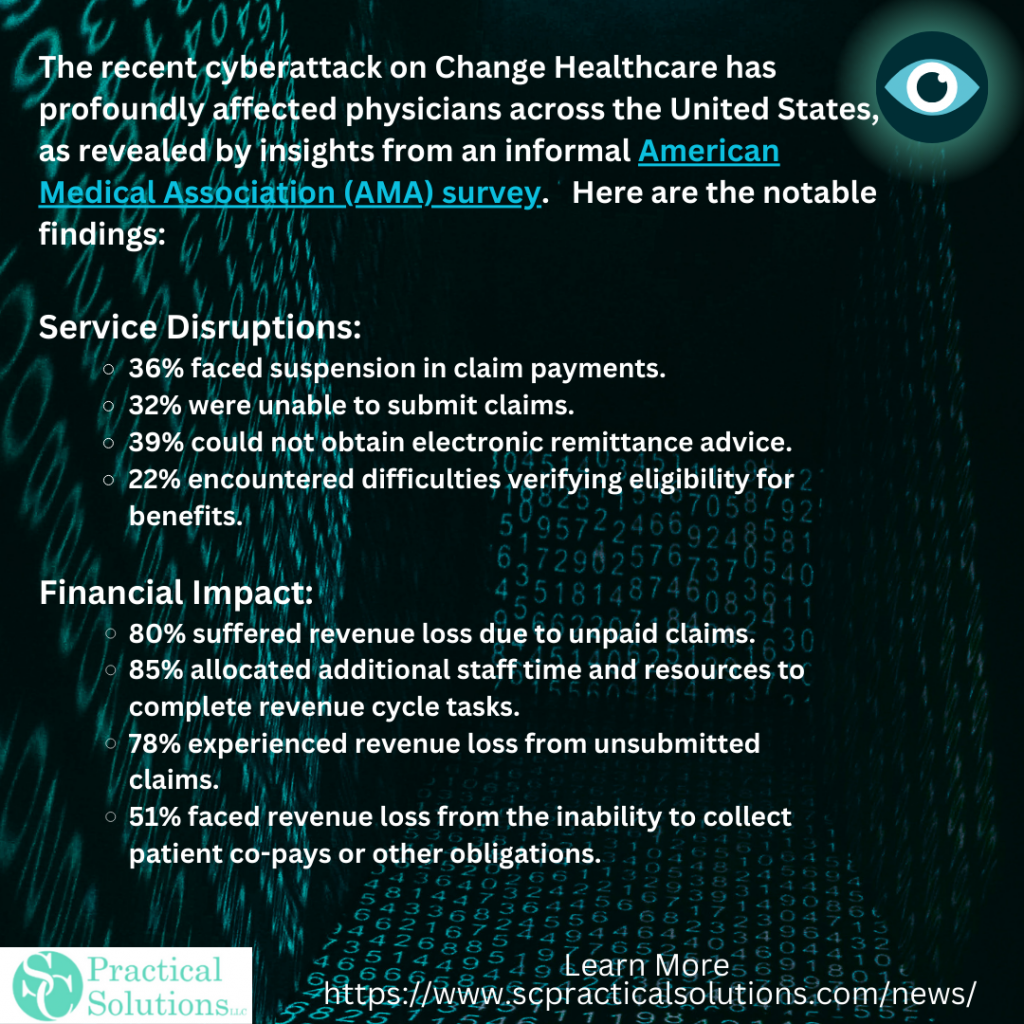
The recent cyberattack on Change Healthcare has profoundly affected physicians across the United States, as revealed by insights from an informal American Medical Association (AMA) survey. Here are the notable findings:
Adaptation: Despite the challenges, physician practices have demonstrated resilience but have been compelled to adapt. Some resorted to personal funds to cover practice expenses, while others encountered obstacles in meeting payroll taxes, gross receipts, and overhead costs.
Furthermore, hospitals affected by the cyberattack on Change Healthcare are confronting similar challenges. These include difficulties in verifying patients’ health insurance coverage, processing claims, and sharing clinical records with other providers. The situation remains critical, exerting considerable pressure on physicians nationwide as they grapple with the aftermath of this incident.
Healthcare Cybersecurity is critical for safeguarding patient data, maintaining operational continuity, and ensuring patient safety.
Best Practices to enhance cybersecurity in healthcare:
Remember, in healthcare, cyber risks are patient risks. Disruptions due to cyberattacks could have life-threatening consequences.
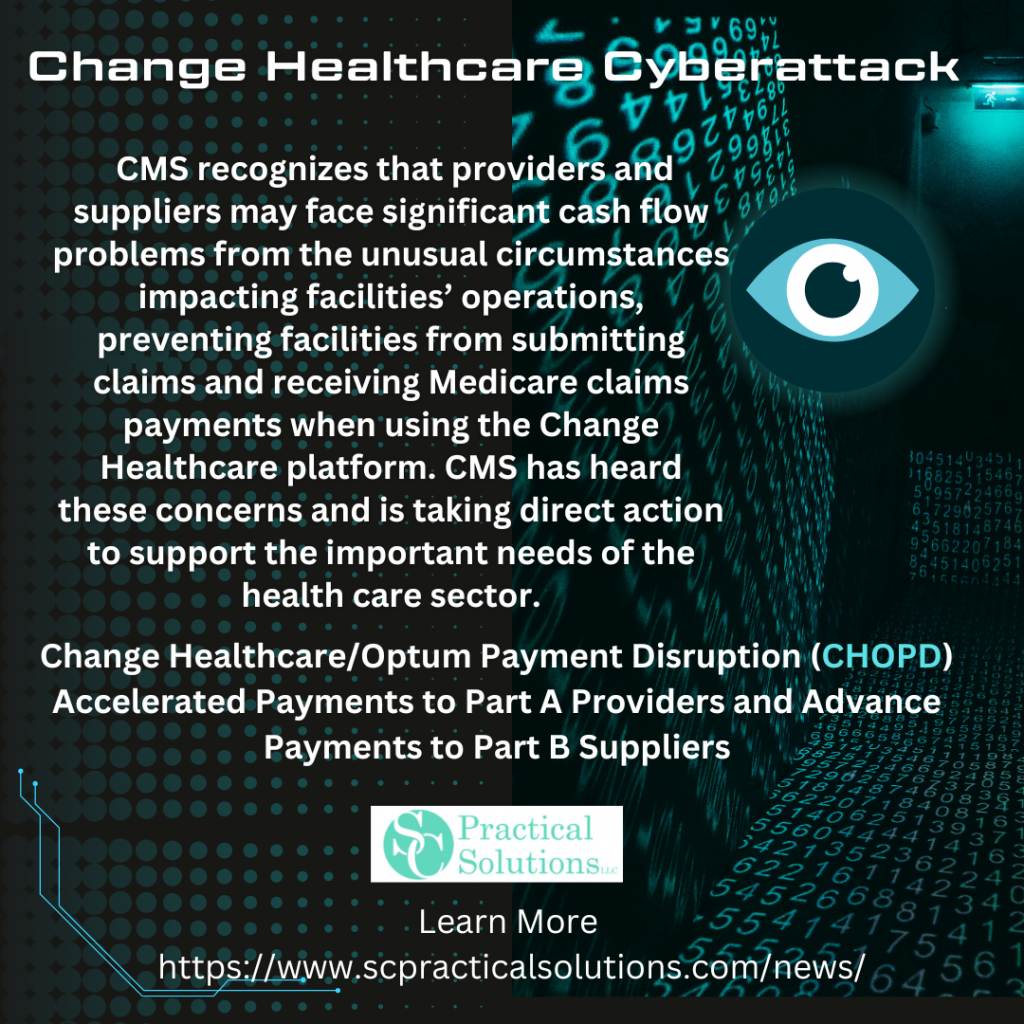
The U.S. Department of Health and Human Services (HHS) and Centers for Medicare & Medicaid Services (CMS) recognizes the impact that the cyberattack on UnitedHealth Group’s subsidiary Change Healthcare/Optum in late February (the Incident) has had on health care operations across the country.
CMS is in frequent communication with UnitedHealth Group and Change/Optum and will continue to press them to swiftly communicate with the health care sector and to offer better options for interim payments to providers and suppliers to ensure continuity of operations for all health care providers and suppliers impacted by the Incident. CMS is also meeting with private health care plans and is encouraging their continued efforts to help avoid further disruption to the health care sector.
CMS recognizes that providers and suppliers may face significant cash flow problems from the unusual circumstances impacting facilities’ operations, preventing facilities from submitting claims and receiving Medicare claims payments when using the Change Healthcare platform. CMS has heard these concerns and is taking direct action to support the important needs of the health care sector.